Morning Light and Sleep: The Free Habit That Resets Your Body Clock
How daylight sets your internal clock, how to get enough of it on busy or grey days, and what to do with light in the evening.
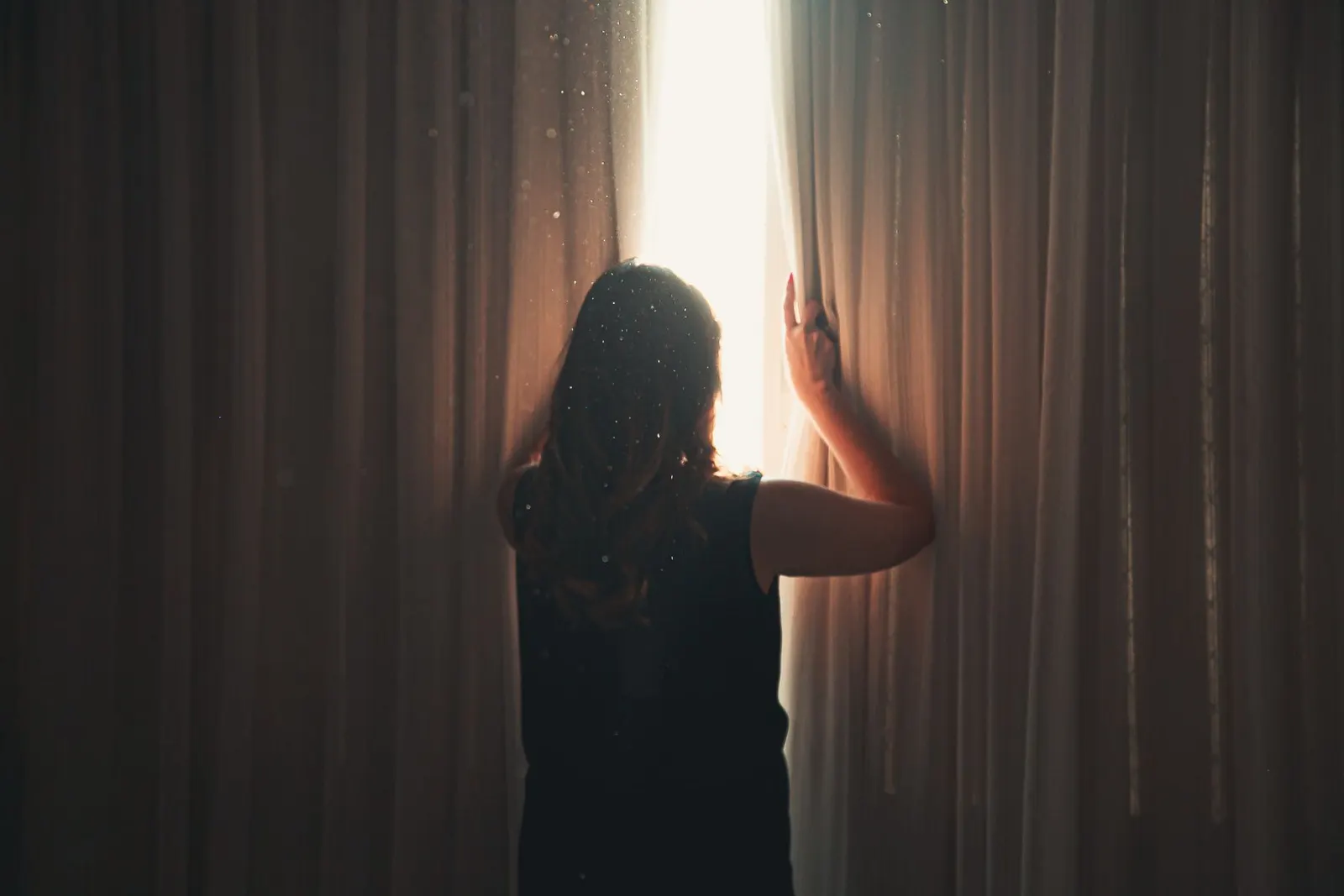
If there is one sleep habit that costs nothing, takes a few minutes and works with your biology rather than against it, it is getting bright light in the morning. Light is the main signal your internal clock uses to stay in time with the day, and morning light in particular helps you feel alert earlier and sleepy at a more reasonable hour at night.
This guide explains how light affects sleep, how to get enough of it even on busy or grey days, and how to manage light in the evening.
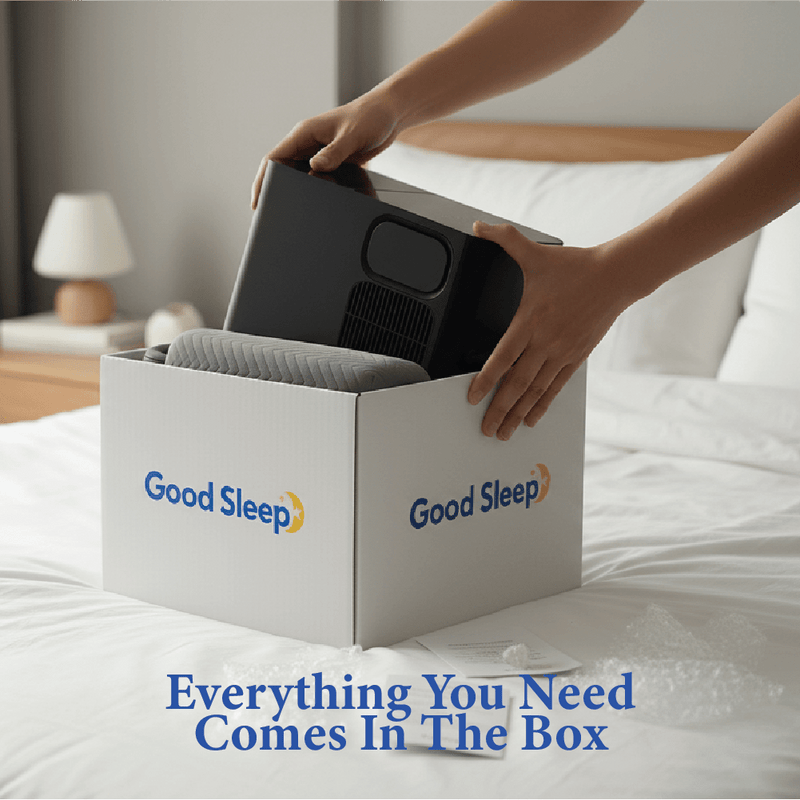
Good Sleep cooling and heating mattress topper
A water-based mattress topper that cools to 62°F and heats to 110°F and fits on top of the mattress you already have. Simple touch-panel control with no app, Wi-Fi or subscription. Dual zone on King.
Shop nowWho this guide is for
This guide is for anyone who struggles to wake up in the morning, feels sleepy at the wrong times or finds their bedtime drifting later and later. It’s particularly useful for night owls who need to keep earlier hours, people who work indoors all day and anyone who notices their sleep gets worse in the darker months. Getting more morning light is safe and free for most people. If you have an eye condition, bipolar disorder or take medicines that increase light sensitivity, talk to a doctor before using a light therapy box.
How light sets your body clock
Your brain contains a master clock, a small cluster of cells in the hypothalamus called the suprachiasmatic nucleus. It receives information about light directly from special cells in the eyes. When those cells detect bright light, especially in the morning, the clock uses that signal to line up your daily rhythms with the outside world.
Light in the morning tends to shift your clock earlier, which helps you get sleepy earlier in the evening. Bright light late in the evening tends to shift it later, which can make it harder to fall asleep at the time you want. That is why both the timing and the brightness of light matter.
Light also affects alertness directly. Many people notice they feel more awake after stepping outside in the morning, separate from any longer-term effect on their clock.
Why outdoor light beats indoor light
Indoor lighting is far dimmer than daylight, often by a large margin, even when a room feels bright to your eyes. Our eyes adjust so well that we don’t notice the difference. Even on a cloudy day, outdoor light is usually much brighter than typical indoor lighting.
That means sitting near a window helps, but stepping outside is better. Sunglasses reduce the amount of light reaching your eyes, so skip them for a short morning walk if it’s comfortable and safe to do so. Never look directly at the sun.
How much morning light do you need?
There isn’t a precise prescription that suits everyone. A practical approach many clinicians suggest is:
- Get outdoor light within the first hour or so of waking.
- Aim for somewhere around 10 to 30 minutes, longer on dull days.
- Do it consistently, ideally every day, at roughly the same time.
You don’t need to stand still staring at the sky. Walking to the station, having coffee on a balcony, walking the dog or doing a few stretches in the garden all count.
Fitting it into a busy morning
Real mornings are rushed. Some ways to fit light in without adding time:
- Combine it with something you already do. Walk part of your commute, take calls outside or drink your first coffee by an open door.
- Open the curtains as soon as you get up. Sit by the brightest window for breakfast.
- Use your lunch break. If mornings are impossible, getting outside earlier in the day is still better than none.
- Pair it with exercise. A morning walk or jog gives you light and activity at the same time. See exercise and sleep.
Dark winters and light therapy
In winter, especially at higher latitudes, it can be dark when you wake and dark when you finish work. Some people notice their sleep timing drifts later and their mood dips during these months.
Light therapy boxes, which give off very bright light for use at a set distance, are sometimes used for winter depression and for some circadian rhythm problems. If you are considering one, talk to a doctor first, especially if you have eye conditions, bipolar disorder or take medicines that make you sensitive to light. Timing matters too, and a clinician can help you get it right.
What to do with light in the evening
Morning light is only half the picture. In the evening, the aim is the opposite: dimmer, warmer light that lets your body clock wind down.
- Switch to lamps in the last hour or two before bed. Low, warm-coloured light is better than bright overhead lighting.
- Use night modes and lower brightness on screens, but don’t rely on them alone. What you’re doing on the screen can keep you alert regardless of colour.
- Keep the bedroom dark at night. Blackout curtains or an eye mask can help, especially with streetlights or early summer sunrises.
- Use a dim night light for bathroom trips rather than switching on bright overhead lights.
For more on screens, see the light section of our main guide on how to get good sleep and our bedtime wind-down routine.
Light, naps and shift work
If you nap, doing it in a bright room or getting light right afterwards can help you feel more alert once you get up. Keep naps short and early. See our napping guide.
Shift workers face a harder challenge, because they need to sleep when it is light and be alert when it is dark. Strategies often include bright light during the shift, sunglasses on the way home in the morning, and a very dark bedroom for daytime sleep. A doctor or sleep specialist can help tailor a plan.
A simple light plan
| Time | Goal | What to do |
|---|---|---|
| First hour after waking | Bright light | Go outside or sit by a bright window |
| Daytime | Plenty of light | Work near windows, take breaks outdoors |
| Late afternoon | Normal light | No special changes needed |
| Last 1 to 2 hours before bed | Dim, warm light | Lamps, lower screen brightness, calm activities |
| Night | Darkness | Blackout curtains or eye mask, dim night light |
Common mistakes
Assuming indoor light is enough. A bright-feeling kitchen is often much dimmer than a cloudy morning outside.
Doing it once and stopping. The benefit comes from consistency. A week of morning light followed by a week of drawn curtains sends mixed signals.
Bright bathroom light at bedtime. Brushing your teeth under bright mirror lights right before bed can work against an otherwise dim evening. Consider a lower-wattage bulb.
Forgetting the wake time. Morning light works best when paired with a steady wake-up time. See how to build a consistent sleep schedule.
A one-week morning light challenge
Try this for seven days and note how you feel:
Every morning: Within an hour of waking, spend at least 10 minutes outside, longer if it’s very cloudy. Walk if you can.
Every evening: Switch to lamps about an hour before bed and lower the brightness on any screens you use.
Every night: Keep the bedroom as dark as possible.
At the end of the week, ask yourself whether it’s easier to wake up, whether you feel more alert in the morning and whether you’re getting sleepy at a more regular time at night. Many people notice a difference within a week, especially if they also keep a steady wake time.
Key takeaways
- Light is the strongest signal your body clock receives.
- Morning light tends to shift your clock earlier and help you feel sleepy at a regular time at night.
- Outdoor light is much brighter than indoor light, even on a cloudy day.
- Dim, warm light in the evening and darkness at night complete the picture.
Related guides
If you found this useful, these guides go deeper on closely related topics:
- Caffeine, Alcohol and Sleep: How to Enjoy Both Without Wrecking Your Night: how to time coffee and drinks so they don’t cost you sleep.
- How to Build a Bedtime Wind-Down Routine That Works: sample 30 to 60 minute routines for different lifestyles.
- What to Do When You Can’t Sleep: A Calm, Step-by-Step Plan: what to do in the moment and the CBT-I techniques for the long term.
- How to Set Up Your Bed for Better Sleep: mattress, pillows, bedding and keeping the bed cool.
Each one sticks to the same approach as this article: practical steps, plain language and no miracle cures. Pick the one that matches the part of your sleep you most want to improve, try one change at a time and give it a couple of weeks.
A cool, comfortable bed helps you stay asleep through the second half of the night. A cooling mattress topper is another option if you have tried the basics and still wake up warm.
Frequently asked questions
Does morning light really help you sleep at night?
Morning light is one of the main signals that sets your internal clock. Regular morning light tends to help your body feel alert earlier in the day and sleepy at a more consistent time in the evening.
Does it count if it’s cloudy?
Yes. Outdoor light on an overcast day is usually still much brighter than indoor lighting. You may want to stay out a little longer than on a sunny day.
Is light through a window as good as going outside?
Light through a window helps, but glass and distance reduce its brightness. Going outside is better when possible.
Do blue light glasses help?
Evidence on blue-light-blocking glasses is mixed. Lowering overall light and screen use in the evening is a more reliable approach. If you like the glasses and they help you wind down, there’s little harm in using them.
What if I wake up before sunrise?
Turn on bright indoor lights when you get up and go outside once it gets light. Keep the hour before bed dim to help your body clock stay on track.