Eating and Drinking Before Bed: What Helps, What Hurts
How meal timing, late snacks and evening drinks affect sleep, plus simple ideas for a sleep-friendly evening without strict rules.
Food and sleep are connected in more ways than most people realise. A heavy late dinner can leave you uncomfortable, going to bed hungry can keep you awake, and what you drink in the evening can mean extra trips to the bathroom. But the internet is also full of food myths, from “sleep-boosting superfoods” to strict bans on eating after a certain time.
This guide sticks to what’s sensible and reasonably well supported, so you can enjoy your evenings and sleep well.
Good Sleep cooling and heating mattress topper
A water-based mattress topper that cools to 62°F and heats to 110°F and fits on top of the mattress you already have. Simple touch-panel control with no app, Wi-Fi or subscription. Dual zone on King.
Shop nowWho this guide is for
This guide is for people who wonder whether their evening eating habits are affecting their sleep. Perhaps you often eat late because of work, snack in front of the TV, wake up with heartburn or find yourself getting up for the bathroom several times a night. You don’t need to follow a special diet to sleep well. Small changes to when and how much you eat and drink in the evening are usually enough to make a noticeable difference. If you have diabetes, reflux, a digestive condition or an eating disorder, your healthcare team can give advice tailored to you.
Why meal timing matters
Your digestive system follows a daily rhythm, just like your sleep. Meal times are one of the cues that help keep your internal clock on track, alongside light and activity. Eating at roughly regular times can support a more regular rhythm overall.
There are also practical reasons. Lying down soon after a large meal can lead to discomfort, and for people prone to it, heartburn or acid reflux. Very late eating may also be linked with poorer sleep for some people, though research is still developing.
How long to wait after dinner
A common suggestion is to finish your main evening meal two to three hours before bed. This gives your stomach time to empty somewhat and can reduce discomfort when lying down. It’s especially worth trying if you have reflux.
If your schedule makes that hard, eating a lighter dinner and having a bigger lunch can help.
Bedtime snacks: yes or no?
Going to bed hungry can make it harder to fall asleep. If you’re genuinely hungry in the evening, a small snack is usually fine. Some sensible ideas:
- A small bowl of plain yoghurt with fruit.
- A banana or another piece of fruit.
- A slice of wholegrain toast with a thin spread of nut butter.
- A small handful of nuts.
- A small bowl of oats or wholegrain cereal with milk.
Keep portions modest, and try to avoid very spicy, fatty or sugary foods close to bed if they don’t agree with you.
You’ll often see specific foods promoted as natural sleep aids. A few have some research behind them, but results are generally modest and studies are often small. The bigger factors are when and how much you eat, not finding a magic food.
Drinks in the evening
Caffeine. Coffee, tea, cola, energy drinks and chocolate can all affect sleep. See caffeine, alcohol and sleep for timing advice.
Alcohol. It can help you fall asleep but tends to disrupt sleep later in the night.
Water. Stay hydrated through the day, then taper off in the last hour or two before bed to reduce bathroom trips.
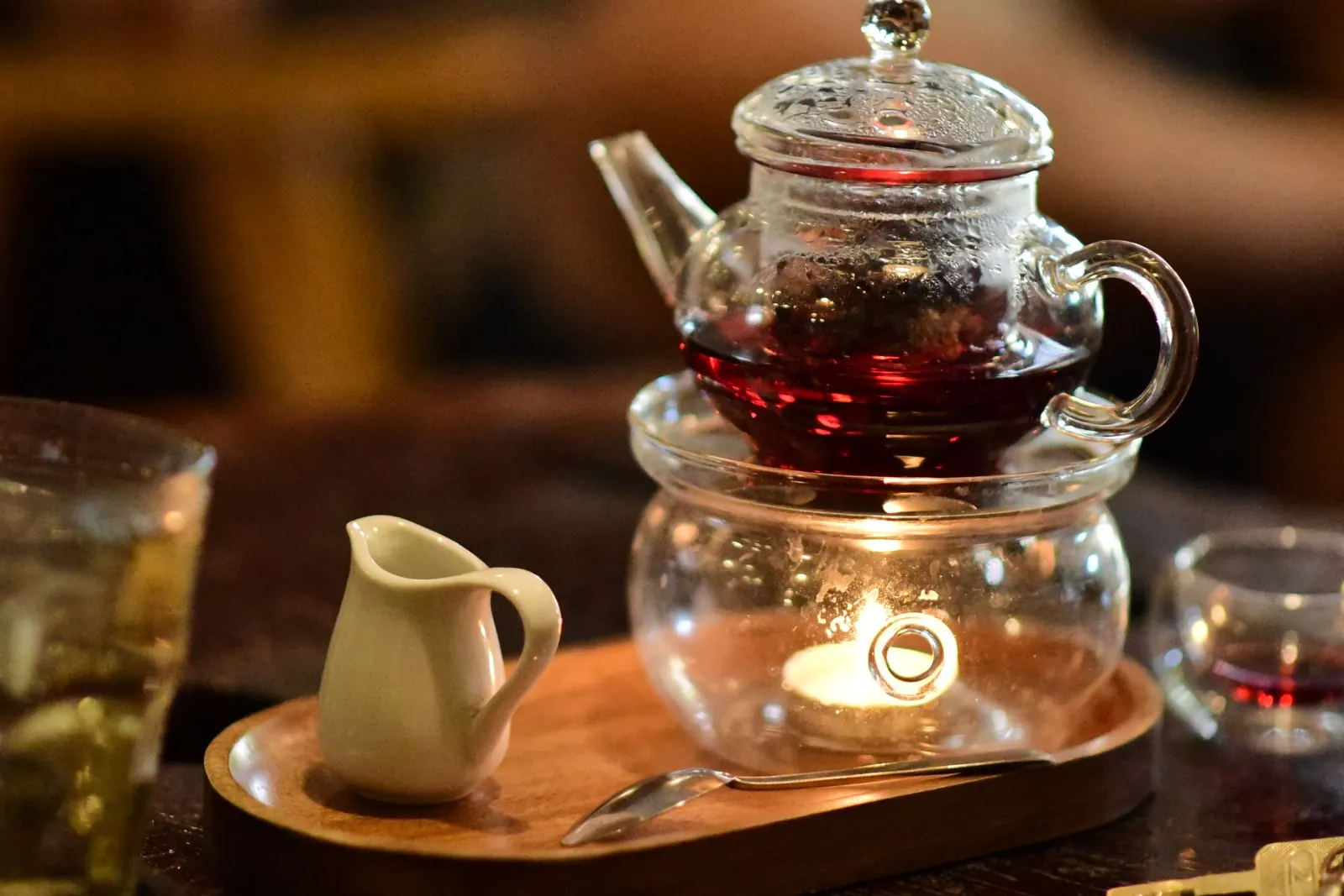
Herbal tea. Chamomile, rooibos and peppermint are naturally caffeine-free and can be a comforting part of a wind-down routine. Keep the cup small.
Warm milk. A traditional bedtime drink. There’s limited evidence that it has a special effect on sleep, but the ritual can be relaxing if you enjoy it.
Night-time bathroom trips
Waking to use the bathroom, known as nocturia, can break up sleep. Some simple steps:
- Drink more of your fluids earlier in the day.
- Cut back on alcohol and caffeine in the evening, as both can increase urine production.
- Go to the bathroom as part of your bedtime routine.
- Use a dim night light rather than bright lights.
Frequent night-time urination can also have medical causes, including prostate problems, diabetes, heart conditions and some medicines. If it’s new or getting worse, talk to a doctor.
Reflux and heartburn
If heartburn or acid reflux bothers you at night:
- Finish meals earlier in the evening.
- Keep evening meals moderate in size.
- Notice and limit foods that trigger it for you; common culprits include spicy, fatty or acidic foods, chocolate, caffeine and alcohol.
- Raise the head of your bed slightly, rather than just stacking pillows.
- Sleeping on your left side may help some people.
See a doctor if reflux is frequent, painful or affecting your sleep regularly.
A sleep-friendly evening, food-wise
| Time | Suggestion |
|---|---|
| Early afternoon | Last caffeinated drink |
| 2 to 3 hours before bed | Finish your main evening meal |
| A few hours before bed | Finish any alcohol |
| 1 hour before bed | Small snack if genuinely hungry; small herbal tea |
| Last 30 minutes | Cut back on fluids; bathroom before bed |
These are starting points, not strict rules. Adjust to what works for you.
Diet in general
Beyond timing, an overall balanced diet with plenty of vegetables, fruit, whole grains and protein supports health in general, and poor sleep and poor diet often go together. Short sleep is linked with increased appetite and cravings in some research, which means improving sleep can make healthier eating easier too.
Common mistakes
Skipping dinner to “eat light”, then raiding the fridge at bedtime. A balanced dinner at a reasonable time usually works better.
Big late-night snacks while watching TV. It’s easy to eat more than you realise when distracted.
Relying on “sleepy” foods. No single food is a reliable sleep aid. Focus on timing, portion size and the bigger habits.
Drinking lots of water right before bed. Spread it across the day.
Using supplements without advice. Some sleep supplements can interact with medicines or aren’t suitable for everyone. Ask a doctor or pharmacist first.
The bigger picture
Food and drink are one part of good sleep, but rarely the whole story. A consistent sleep schedule, morning light, a cool, dark bedroom and a calm wind-down routine usually make a bigger difference. See our main guide on how to get good sleep for the full picture.
A simple evening food plan
If you’d like a starting point, try this for two weeks:
- Lunch: make it a satisfying meal, so you aren’t starving by early evening.
- Afternoon snack: a piece of fruit or a handful of nuts if dinner is late.
- Dinner: aim to finish two to three hours before bed, with a moderate portion that includes vegetables, protein and some whole grains.
- Evening: if you get hungry later, have a small snack from the list above.
- Drinks: keep caffeine to the morning and early afternoon, finish any alcohol a few hours before bed and keep fluids modest in the last hour.
Note how you sleep each night and how you feel in the morning. Adjust the timings to suit your schedule. The aim is to find a pattern that keeps you comfortable at bedtime, not to follow strict rules.
Special situations
Late shifts. If you work late, eat your main meal before or during your shift and have only a light snack afterwards, so you aren’t going to bed on a very full stomach.
Evening exercise. A small snack after an evening workout is fine. Choose something easy to digest. See exercise and sleep.
Diabetes and other conditions. If you have diabetes or another condition that affects how and when you need to eat, follow the advice of your healthcare team about evening meals and snacks.
Key takeaways
- Finish your main meal two to three hours before bed if you can.
- A small snack is fine if you’re genuinely hungry.
- Keep caffeine early, alcohol moderate and fluids lower in the last hour.
- No single food is a reliable sleep aid; timing and portion size matter more.
Related guides
If you found this useful, these guides go deeper on closely related topics:
- How to Set Up Your Bed for Better Sleep: mattress, pillows, bedding and keeping the bed cool.
- The Sleep Hygiene Checklist: 15 Habits Worth Keeping: fifteen everyday habits grouped by morning, daytime, evening and bedroom.
- The Best Bedroom Temperature for Sleep (and How to Get There): why a cooler room helps and how to cool a hot bedroom.
- Caffeine, Alcohol and Sleep: How to Enjoy Both Without Wrecking Your Night: how to time coffee and drinks so they don’t cost you sleep.
Each one sticks to the same approach as this article: practical steps, plain language and no miracle cures. Pick the one that matches the part of your sleep you most want to improve, try one change at a time and give it a couple of weeks.
A cool, comfortable bed helps you stay asleep through the second half of the night. One water-based topper that cools to 62°F with no app is listed at trygoodsleep.com.
Frequently asked questions
Is it bad to eat right before bed?
A small snack is fine for most people. A large or heavy meal right before bed can cause discomfort or reflux for some. Finishing your main meal two to three hours before bed is a common suggestion.
What is a good snack before bed?
Something small and easy to digest, such as yoghurt with fruit, a banana, wholegrain toast with a little nut butter or a small handful of nuts.
Does warm milk help you sleep?
There’s limited evidence it has a special effect, but a warm drink as part of a calm routine can help you wind down if you enjoy it.
Should I stop drinking water before bed?
Stay well hydrated during the day, then cut back in the last hour or two before bed to reduce night-time bathroom trips.
Can going to bed hungry keep me awake?
Yes, hunger can make it harder to fall asleep for some people. If you’re genuinely hungry, a small snack is a good idea.