The Smart Napping Guide: When Naps Help and When They Hurt
How long to nap, the best time of day, how to avoid grogginess and when naps might be a sign of something else.
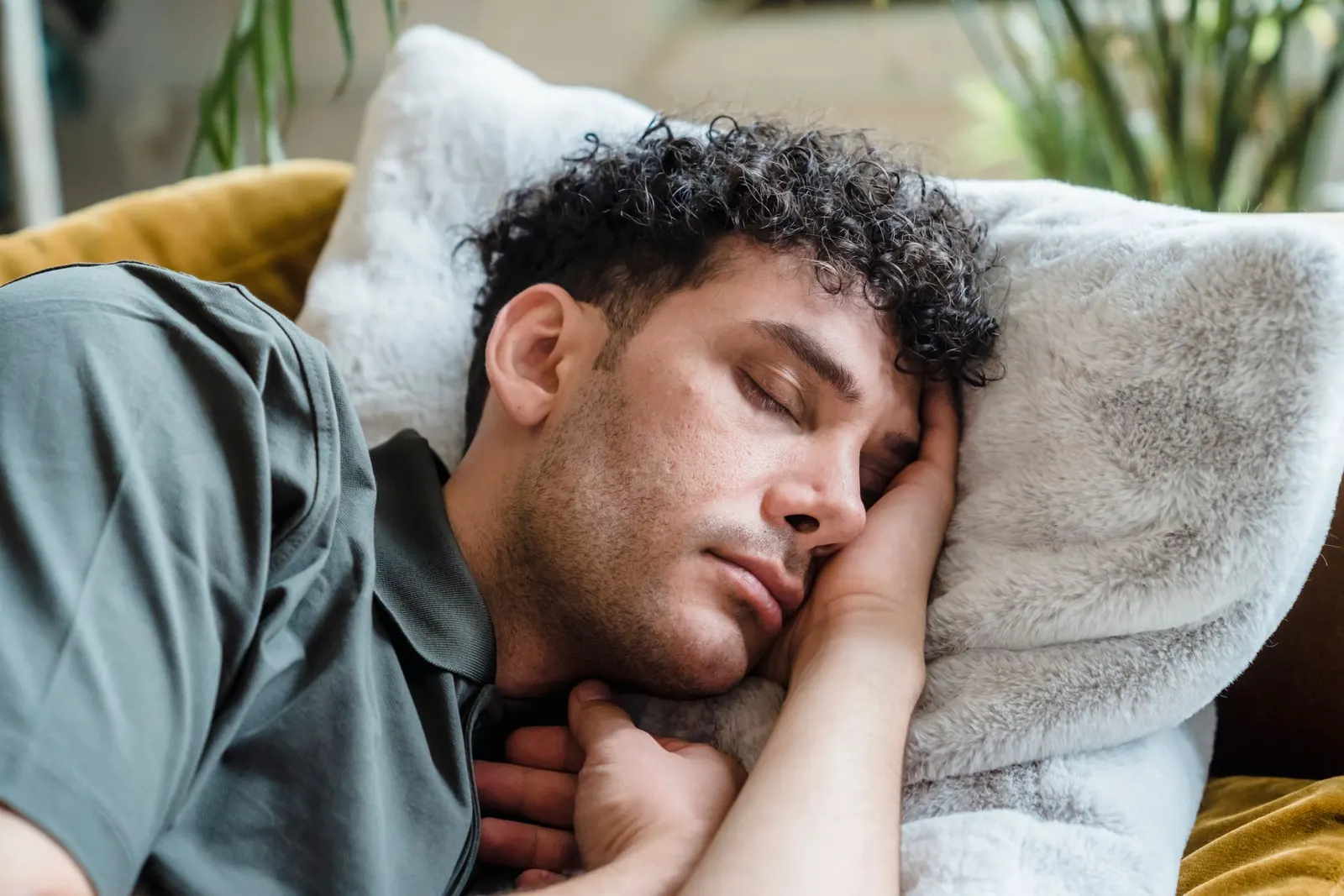
Naps have a mixed reputation. Some people swear by a daily siesta; others find even a short doze leaves them groggy and unable to sleep at night. Both experiences are real. Whether a nap helps or hurts depends mostly on how long it is, when you take it and why you need it.
This guide explains how to nap well, when to skip it, and when frequent daytime sleepiness might be a sign of something else.
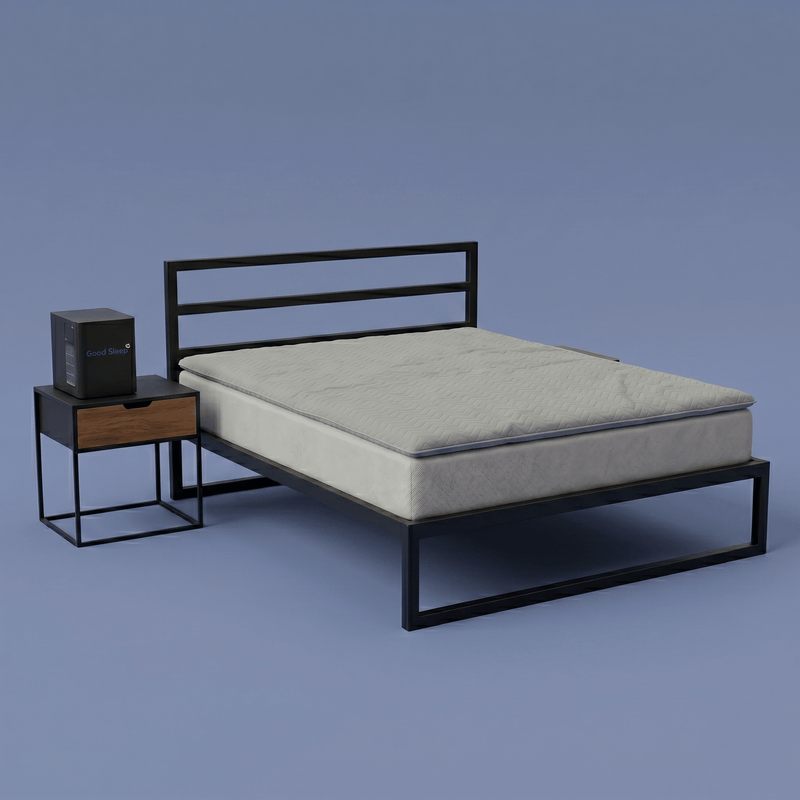
Good Sleep cooling and heating mattress topper
A water-based mattress topper that cools to 62°F and heats to 110°F and fits on top of the mattress you already have. Simple touch-panel control with no app, Wi-Fi or subscription. Dual zone on King.
Shop nowWho this guide is for
This guide is for anyone who naps, wants to start napping or wonders whether their naps are affecting their night-time sleep. You might be a shift worker, a new parent, someone who hits an afternoon slump every day or someone who catches up on sleep at weekends. Naps can be a useful tool, but they work best when you plan them rather than drifting off on the sofa in the evening. If you feel you need a nap every day just to get through, it’s worth looking at your night-time sleep, and talking to a doctor if sleepiness is severe.
Why naps can help
A short nap can improve alertness, mood and performance for a while afterwards. That’s why some workplaces, pilots on long-haul flights and shift workers use planned naps. If you had a short night, a well-timed nap can take the edge off without derailing your schedule.
Naps can also be part of a healthy routine in some cultures and for some lifestyles, especially where the day is long and the afternoon is hot.
Why naps can hurt
The trouble comes from sleep pressure. All the time you’re awake, pressure to sleep builds. That pressure is part of what helps you fall asleep and stay asleep at night. A long nap, or a nap late in the day, releases some of that pressure, so you may find it harder to fall asleep at bedtime.
Long naps also give you more chance of waking from deeper sleep, which can leave you feeling groggy and disoriented. This is called sleep inertia, and it can last a while.
How long should a nap be?
For most people looking for a quick boost, a nap of around 10 to 20 minutes works well. It’s long enough to feel refreshed but usually short enough to avoid deep sleep and the grogginess that comes with it.
| Nap length | Typical effect | Best for |
|---|---|---|
| 10 to 20 minutes | Quick boost, little grogginess | Most people, most days |
| About 30 to 60 minutes | More chance of grogginess on waking | Use with care |
| Around 90 minutes | A fuller sleep cycle, but can affect night sleep | Recovering from a very short night, some shift workers |
These are rough guides, not exact rules. Everyone’s sleep is a bit different.
When is the best time to nap?
Many people feel a natural dip in alertness in the early afternoon, often after lunch. This is a convenient time for a nap because it’s far enough from bedtime to avoid much effect on night sleep.
As a general rule, try to finish napping by mid-afternoon. A nap in the early evening is much more likely to make it hard to fall asleep at night.
How to nap well
- Set an alarm so a short nap doesn’t turn into a long one.
- Find a comfortable, quiet, dim spot. An eye mask and earplugs can help.
- Lie down or recline, whichever you can manage.
- Don’t worry if you don’t fall asleep. Even resting quietly with your eyes closed can be restorative.
- Get light and move afterwards. Bright light and a short walk help you shake off grogginess. See morning light and sleep.
- Try a “coffee nap” if it suits you. Some people drink a small coffee right before a short nap, so the caffeine starts working as they wake. Keep it early in the day and skip it if you’re sensitive to caffeine. See caffeine, alcohol and sleep.
When to skip the nap
Naps aren’t a good idea for everyone. Consider skipping them if:
- You have insomnia. Napping can reduce sleep pressure and make it harder to sleep at night. Cognitive behavioural therapy for insomnia (CBT-I) often involves limiting naps for this reason. See what to do when you can’t sleep.
- You find naps make you groggy for a long time afterwards.
- Napping is pushing your bedtime later and throwing off your consistent sleep schedule.
Naps instead of weekend lie-ins
If you’re short on sleep during the week, a short early-afternoon nap at the weekend is often better than sleeping in for hours. A long lie-in can shift your body clock later, making Sunday night and Monday morning harder. A nap tops you up without moving your wake time.
Naps for specific groups
Older adults. Napping becomes more common with age. Short naps are generally fine, but very long or frequent naps may be worth mentioning to a doctor, especially if they’re new.
Shift workers. Planned naps before a night shift or during a break, where allowed, can improve alertness. A sleep specialist can help with a plan.
Drivers. If you feel drowsy while driving, pull over somewhere safe. A short nap and a caffeinated drink can help in the short term, but the only real fix for drowsiness is sleep. Don’t drive when you’re very sleepy.
New parents. “Sleep when the baby sleeps” is easier said than done, but short daytime naps can help during a period when night sleep is broken.
When frequent napping is a warning sign
Feeling the need to nap occasionally is normal. But if you’re very sleepy during the day despite getting a full night in bed, it may be a sign of an underlying problem, such as:
- Obstructive sleep apnea, especially if you snore loudly or someone has noticed you stop breathing.
- Poor sleep quality from pain, restless legs or other conditions.
- Some medicines.
- Depression.
- Less common conditions such as narcolepsy.
Talk to a doctor if daytime sleepiness is persistent, affects your work or relationships, or makes you feel unsafe driving.
Common mistakes
No alarm. A planned 20-minute nap easily becomes 90 minutes.
Late afternoon naps. Napping at 5 p.m. often means lying awake at 11 p.m.
Using naps to cover up a chronic problem. If you need a nap every day to function, look at your night-time sleep. Our main guide on how to get good sleep is a good starting point.
Napping in the car while parked in an unsafe place. If you need to rest during a drive, choose a safe, legal and well-lit spot.
Building a nap that works for you
If you’d like to make napping a regular habit, treat it like an experiment.
Week 1: Take a 15 to 20-minute nap in the early afternoon on the days you need it, with an alarm. Each evening, note whether you fell asleep at your normal time. Each morning, note how rested you feel.
Week 2: Change one thing, such as nap time, length or location, and keep tracking.
If your night-time sleep stays steady and you feel better in the afternoons, naps may suit you. If you start lying awake at night, shorten the nap, move it earlier or stop napping for a while.
Naps and work
Not everyone can nap at work, but if you can, find a quiet, comfortable space and keep it short. If you can’t nap, a short walk outside, a few minutes of quiet rest with your eyes closed or a change of task can also help with the afternoon slump.
Key takeaways
- Short naps of around 10 to 20 minutes can boost alertness with little grogginess.
- Nap in the early afternoon and finish by mid-afternoon.
- Longer or later naps can make it harder to sleep at night.
- Limit naps if you have insomnia.
- Persistent daytime sleepiness is worth discussing with a doctor.
Related guides
If you found this useful, these guides go deeper on closely related topics:
- What to Do When You Can’t Sleep: A Calm, Step-by-Step Plan: what to do in the moment and the CBT-I techniques for the long term.
- How to Set Up Your Bed for Better Sleep: mattress, pillows, bedding and keeping the bed cool.
- The Sleep Hygiene Checklist: 15 Habits Worth Keeping: fifteen everyday habits grouped by morning, daytime, evening and bedroom.
- The Best Bedroom Temperature for Sleep (and How to Get There): why a cooler room helps and how to cool a hot bedroom.
Each one sticks to the same approach as this article: practical steps, plain language and no miracle cures. Pick the one that matches the part of your sleep you most want to improve, try one change at a time and give it a couple of weeks.
A cool, comfortable bed helps you stay asleep through the second half of the night. If you still sleep hot, a water-cooled mattress topper can cool the surface you lie on rather than the whole room.
Frequently asked questions
Is napping good or bad for you?
It depends. Short, early-afternoon naps can boost alertness and are fine for most people. Long or late naps can make it harder to sleep at night. Frequent, overwhelming sleepiness can be a sign of a sleep problem worth checking.
How long should a power nap be?
Around 10 to 20 minutes is a good target for most people. It’s long enough to help without usually leaving you groggy.
Why do I feel worse after a nap?
You probably woke from deeper sleep, which causes sleep inertia. Keep naps shorter and get light and movement right after waking.
Can I nap if I have insomnia?
It’s usually best to limit or avoid naps if you have insomnia, because they can reduce the sleep pressure you need at night. A clinician who offers CBT-I can give personalised advice.
What time should I stop napping?
Try to finish naps by mid-afternoon. The later the nap, the more likely it is to affect your night’s sleep.