How to Build a Bedtime Wind-Down Routine That Works
Why your brain needs a runway before sleep, what to put in a 30 to 60 minute routine, and sample routines for different lifestyles.

Most of us wouldn’t expect to go from a busy motorway straight into a parking space without slowing down. Yet that’s what we ask of our brains every night: answering messages, watching something gripping or tidying up the kitchen, then lying down and expecting sleep to arrive.
A wind-down routine is the slowing-down part. It’s a short, repeated series of calm activities in the hour or so before bed. It doesn’t need to be elaborate, and it doesn’t need any special products. What matters most is that it’s calm, enjoyable and consistent.
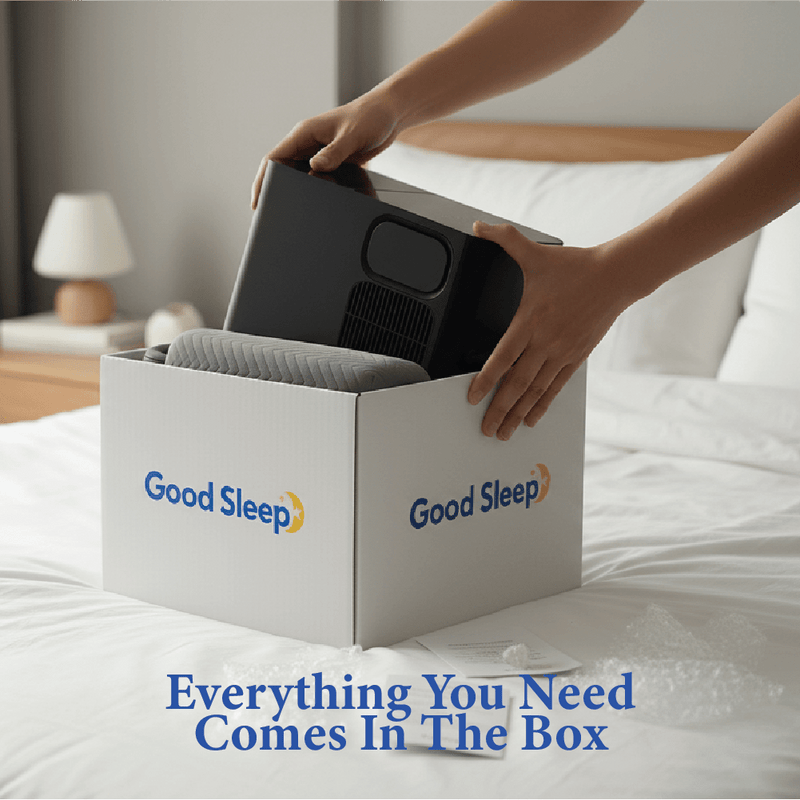
Good Sleep cooling and heating mattress topper
A water-based mattress topper that cools to 62°F and heats to 110°F and fits on top of the mattress you already have. Simple touch-panel control with no app, Wi-Fi or subscription. Dual zone on King.
Shop nowWhy a wind-down routine helps
There are a few reasons a routine can make it easier to fall asleep:
- It gives your mind time to shift gears. Mental arousal, from work, worry or exciting content, is one of the most common reasons people struggle to fall asleep.
- It builds an association. Doing the same things in the same order each night teaches your brain that sleep is coming, much like a bedtime routine does for children.
- It usually means dimmer light. Evening routines naturally involve lower, warmer light, which supports your body clock. See morning light and sleep.
- It protects time for sleep. Starting your routine at a set time makes it less likely that the evening slips away into a late night.
How long should it be?
Thirty to sixty minutes is a good target for most people. If that feels impossible, start with fifteen. A short routine you actually do is far better than a perfect one you skip.
Work backwards from your target bedtime. If you aim to be in bed at 10:45 p.m., you might start winding down at around 10 p.m. Our guide to building a consistent sleep schedule explains how to choose that bedtime.
What to include
Pick three or four activities from the list below. Aim for things that are calm, low-light and enjoyable.
Dim the lights. Switch off bright overhead lights and use lamps. This is the simplest signal that the day is ending.
Put the to-do list on paper. Spend five minutes writing down tomorrow’s tasks or anything on your mind. Getting thoughts out of your head and onto paper makes them easier to set aside.
Have a warm shower or bath. Many people find it relaxing, and the cooling afterwards may help them feel sleepy.
Read something calm. A paper book or an e-reader with a warm, dim screen. Choose something enjoyable but not so gripping that you can’t stop.
Stretch gently. A few minutes of slow stretching or gentle yoga can ease physical tension.
Try a breathing exercise. Slow breathing, such as breathing in for a count of four and out for a count of six, can help you feel calmer. Repeat for a few minutes.
Listen to something soothing. Quiet music, an audiobook or a calm podcast at low volume.
Make a caffeine-free warm drink. A small cup of herbal tea can become a comforting ritual. See eating and drinking before bed.
Prepare for the morning. Laying out clothes or packing a bag can reduce morning stress and help you feel ready to let go of the day.
What to avoid
Some activities tend to work against winding down:
- Work emails and messages. Even a quick check can bring stress or problems to solve.
- Intense or upsetting content. Thrillers, the news and heated debates on social media keep your brain alert.
- Bright light. Overhead lights, bright bathroom mirrors and screens at full brightness.
- Heavy meals and alcohol close to bed. See caffeine, alcohol and sleep.
- Vigorous exercise right before bed, if you find it leaves you wired.
What about screens?

Screens are part of modern life, and banning them completely isn’t realistic for everyone. Instead:
- Set a screen curfew for the last 30 minutes before bed if you can.
- Turn down brightness and use night mode in the evening.
- Choose calm content. A gentle comedy is better than a cliffhanger.
- Charge your phone outside the bedroom, or at least out of reach, and use a basic alarm clock.
- Turn off notifications at night with a do-not-disturb schedule.
Sample routines
| Lifestyle | Sample 45-minute routine |
|---|---|
| Busy professional | Write tomorrow’s to-do list, warm shower, 15 minutes of reading in bed, lights out |
| Parent of young children | After kids are asleep: tidy for 10 minutes, herbal tea in dim light, stretch, read a few pages |
| Anxious mind | Five minutes of journaling, breathing exercise, audiobook at low volume |
| Night owl adjusting earlier | Dim lights early, screens off, warm bath, read until sleepy |
| Shift worker after a late shift | Sunglasses on the way home, quiet snack, shower, blackout curtains, earplugs |
Making it a habit
- Start the routine at the same time each night. A phone reminder can help at first.
- Keep it short and simple until it feels automatic.
- Make it pleasant. A favourite mug, a cosy blanket or a book you look forward to all help.
- Be flexible. If you get home late, do a shorter version rather than skipping it.
- Give it time. It can take a couple of weeks before the routine starts to feel like a cue for sleep.
When winding down isn’t enough
If you follow a routine consistently and still lie awake for long periods most nights, the problem may need a different approach. Our guide what to do when you can’t sleep explains techniques from cognitive behavioural therapy for insomnia (CBT-I), the recommended first-line treatment for chronic insomnia. If anxiety or low mood is keeping you up, talking to a doctor can help.
A comfortable place to land
A wind-down routine works best when the bed at the end of it is comfortable. Check that your room is cool, dark and quiet, and that your mattress and pillows suit you. See how to set up your bed for better sleep and the best bedroom temperature for sleep. For people who run hot all night, a temperature-controlled mattress pad keeps the bed itself cooler, which room temperature alone cannot always do.
Common mistakes
Making it too long or complicated. A 12-step routine is hard to keep. Three or four activities is plenty.
Turning it into a performance. The routine isn’t a test. If you miss a step, it’s fine.
Starting too late. If you begin winding down at your bedtime, you’ll end up going to bed later. Start it before.
Using it to cram in tasks. Folding laundry while answering emails isn’t winding down.
Building your routine in one week
If you’ve never had a wind-down routine, it helps to build it in stages rather than all at once.
Days 1 and 2: Pick a start time. Choose the time your routine will begin, based on your target bedtime, and set a gentle phone reminder. When it goes off, simply dim the lights. That’s it.
Days 3 and 4: Add one calming activity. Choose the activity from the list above that appeals most, such as reading, a warm shower or writing tomorrow’s to-do list, and do it every night after dimming the lights.
Days 5 and 6: Add a screen boundary. Put your phone on charge outside the bedroom, or at least out of reach, for the last part of the routine.
Day 7: Review. Ask yourself what felt good and what felt like a chore. Keep the parts you enjoyed and drop or swap the rest.
After the first week, keep the routine steady for at least another two weeks. Consistency is what turns a set of activities into a cue for sleep. Once it feels automatic, you can experiment with small changes.
Key takeaways
- A wind-down routine is a short, repeated series of calm, low-light activities before bed.
- Thirty to sixty minutes is ideal, but even fifteen minutes helps.
- Choose three or four activities you enjoy and do them in the same order.
- Limit work, intense content and bright light in the last hour.
- Give it a couple of weeks to start working, and seek help if you still can’t sleep most nights.
Related guides
If you found this useful, these guides go deeper on closely related topics:
- The Smart Napping Guide: When Naps Help and When They Hurt: how long to nap, when, and when naps work against you.
- Eating and Drinking Before Bed: What Helps, What Hurts: meal timing, snacks and evening drinks.
- How to Get Good Sleep: A Practical, No-Hype Guide: our main guide to getting good sleep, with the habits that matter most and the order to try them.
- How to Build a Consistent Sleep Schedule (and Actually Keep It): how to anchor your wake time and shift your schedule without misery.
Each one sticks to the same approach as this article: practical steps, plain language and no miracle cures. Pick the one that matches the part of your sleep you most want to improve, try one change at a time and give it a couple of weeks.
Frequently asked questions
How long before bed should I start winding down?
About 30 to 60 minutes is a good target. Even 15 minutes of calm, dim-light activities can help if that’s all you have.
Is reading in bed a good idea?
For many people, yes, as long as it’s calm reading in dim light. If you find yourself reading for hours, move reading to a chair and keep the bed for sleep.
Can I watch TV as part of winding down?
Some people find a calm, familiar show relaxing. Avoid intense content, keep the brightness down and stop once you feel sleepy.
Do I need special products for a routine?
No. Dim lights, a book and a few minutes of breathing are enough. Products can make a routine more pleasant, but they’re not essential.
What if my partner has a different routine?
Agree on shared basics, such as dimming lights and keeping the bedroom calm, and use headphones or a reading light so you don’t disturb each other.