Exercise and Sleep: How Moving More Can Help You Rest Better
What research says about exercise and sleep, the best times to work out, and how to build an activity habit that supports your nights.
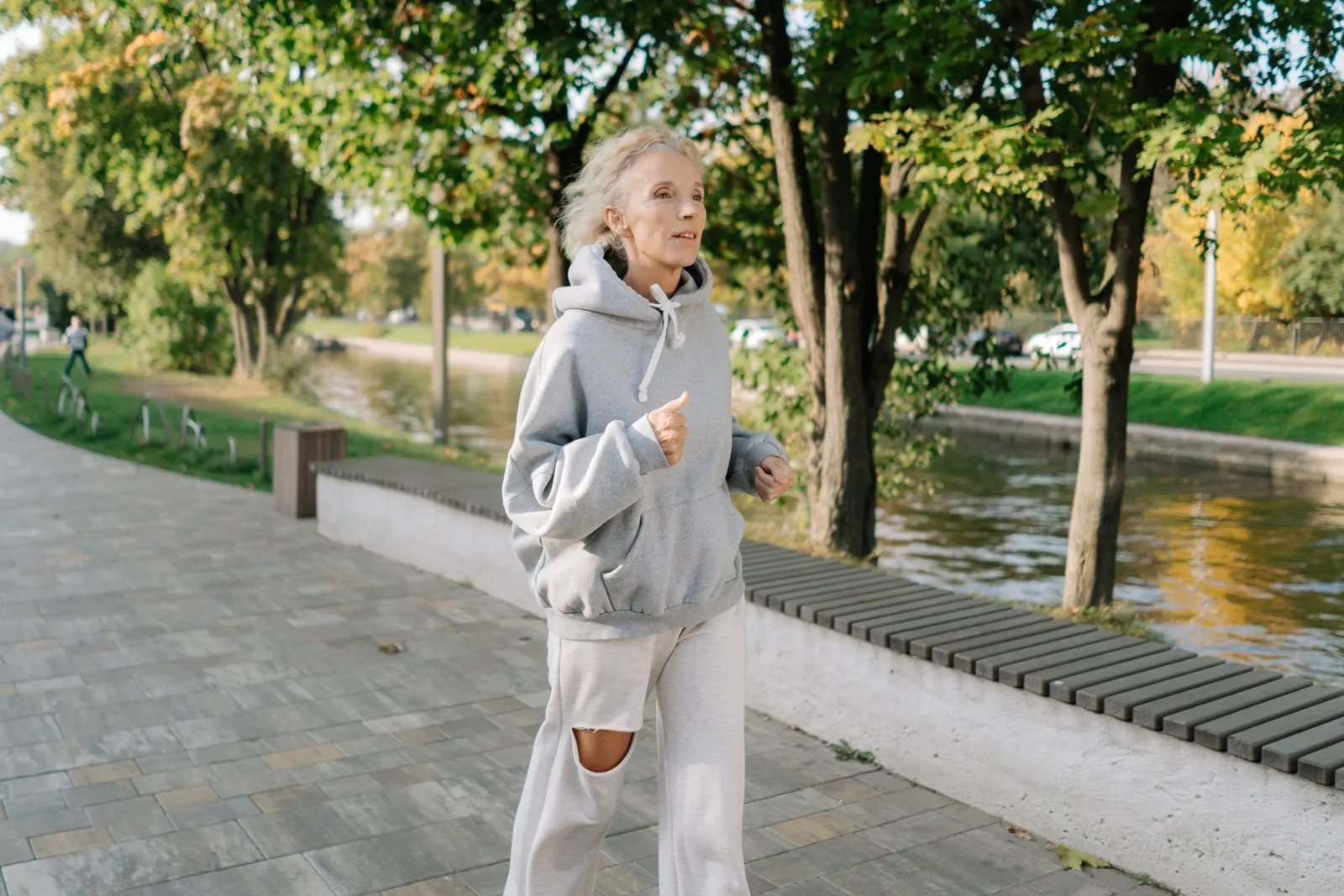
Exercise is one of the few habits that seems to help almost everything: heart health, mood, strength, energy and, for many people, sleep. You don’t need to train for a marathon to benefit. Regular, moderate movement is linked with better sleep quality in many studies, and it’s something you can start today.
This guide explains how activity and sleep are connected, what we know about timing, and how to build an activity habit that supports your nights rather than disrupting them.
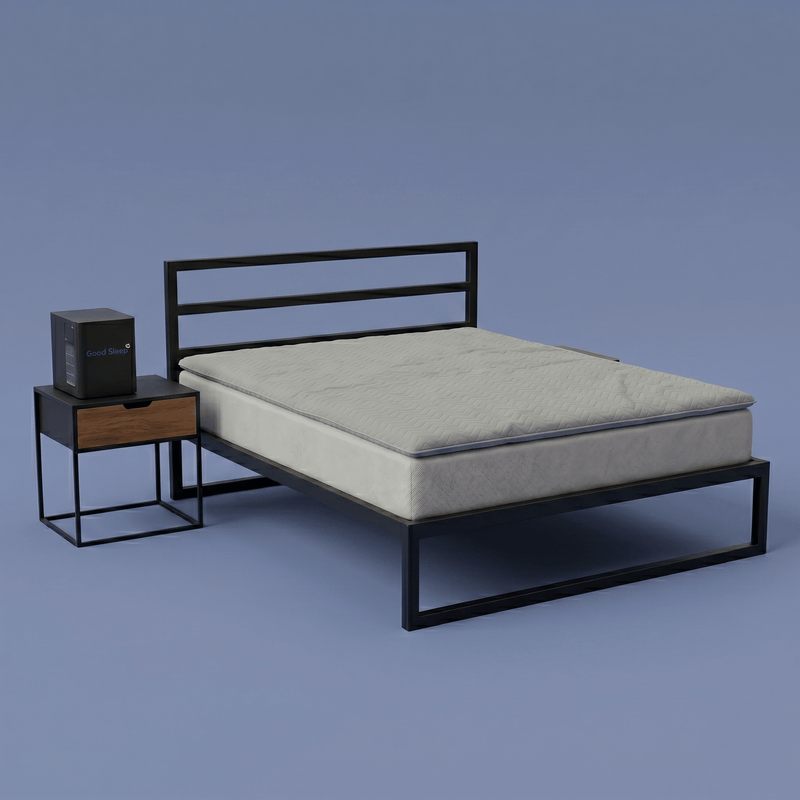
Good Sleep cooling and heating mattress topper
A water-based mattress topper that cools to 62°F and heats to 110°F and fits on top of the mattress you already have. Simple touch-panel control with no app, Wi-Fi or subscription. Dual zone on King.
Shop nowWho this guide is for
This guide is for anyone who wants to sleep better and suspects that moving more might help, whether you’re currently inactive, exercise occasionally or train regularly but wonder if your timing is right. You don’t need a gym membership or special equipment. Walking, gardening and simple bodyweight exercises at home all count. If you have a heart condition, joint problems, are pregnant or haven’t exercised in a long time, it’s sensible to check with a doctor before starting something new, especially anything vigorous.
How exercise and sleep are connected
Researchers have found that people who are more physically active tend to report better sleep. Intervention studies, where people start exercising and their sleep is measured, have also found improvements in sleep quality for many participants, particularly middle-aged and older adults and people with sleep complaints.
There are several possible reasons:
- Sleep pressure. Physical activity may add to the body’s need for rest.
- Body temperature. Exercise raises body temperature, and the drop afterwards may help some people feel sleepy.
- Mood and stress. Regular activity is linked with lower anxiety and better mood, both of which affect sleep.
- Body clock. Outdoor exercise, especially in the morning, adds light exposure that helps set your internal clock.
- Weight and breathing. For some people, staying active helps with weight management, which can affect conditions such as sleep apnea.
It works both ways. Poor sleep makes it harder to find the energy to exercise, and good sleep makes it easier to stay active.
How much activity helps?
General physical activity guidelines for adults, such as those from the World Health Organization, recommend at least 150 to 300 minutes of moderate activity a week, or 75 to 150 minutes of vigorous activity, plus muscle-strengthening activities on two or more days. Those targets are for overall health, not sleep specifically, but they’re a useful benchmark.
If that sounds like a lot, start where you are. A 10-minute walk is better than nothing, and small amounts add up. Many people notice benefits to mood and sleep well before they reach the full recommendations.
Does timing matter?
For many people, the best time to exercise is simply the time they’ll actually do it. That said, a few patterns are worth knowing:
- Morning exercise outdoors gives you activity plus bright light, which helps anchor your body clock. See morning light and sleep.
- Afternoon and early evening exercise fits many schedules well and is unlikely to cause sleep problems for most people.
- Vigorous exercise close to bedtime is where people differ most. Research suggests moderate evening exercise doesn’t harm sleep for most people, but very intense sessions ending shortly before bed may make it harder for some to fall asleep.
If you exercise in the evening and sleep well, there’s no need to change. If you find you’re wired after a late workout, try moving it earlier or swapping the late session for something gentler.
Types of activity that suit sleep
All kinds of movement count. Here’s how different types can fit into a sleep-friendly week:
| Type | Examples | Sleep-friendly tips |
|---|---|---|
| Aerobic | Walking, cycling, swimming, jogging | Morning or afternoon outdoors adds light |
| Strength | Weights, resistance bands, bodyweight exercises | Two or more days a week is a common target |
| Mind-body | Yoga, tai chi, stretching | Gentle versions work well in the evening |
| Everyday movement | Gardening, housework, taking the stairs | Adds up across the day |
Gentle yoga or stretching in the evening can double as part of a bedtime wind-down routine.
Getting started when you’re tired
It’s hard to exercise when you’ve slept badly. A few ways to break the cycle:
- Start very small. A five or ten-minute walk after lunch is a fine beginning.
- Attach it to an existing habit, such as walking after your morning coffee or stretching while the kettle boils.
- Make it social. Walking with a friend or joining a class makes it more likely you’ll show up.
- Go easy after a bad night. A light walk is still beneficial. Save harder sessions for days you feel better.
- Track consistency, not intensity. Counting the days you moved at all is more motivating than worrying about pace.
Exercise for specific situations
Older adults. Activity remains important with age, and balance and strength exercises help prevent falls. Studies in older adults have found regular exercise linked to better sleep quality.
People with insomnia. Exercise can be a helpful addition, but it’s not a replacement for proven insomnia treatment such as cognitive behavioural therapy for insomnia (CBT-I). See what to do when you can’t sleep.
People with health conditions. If you have heart disease, joint problems or other health concerns, or you’re new to exercise, check with a doctor about what’s safe for you.
Hot sleepers. If you exercise in the evening and feel too warm at bedtime, a cool shower, light sleepwear and a cooler bedroom can help. See the best bedroom temperature for sleep. If you and a partner disagree on temperature, a bed cooling and heating system with dual zone on King lets each side be set separately.
Common mistakes
Going too hard too fast. Sudden intense training can leave you sore and exhausted, and it’s hard to sustain. Build up gradually.
Expecting instant results. Some people sleep better the same night, but changes in sleep quality from exercise often take weeks.
Skipping recovery. Sleep is when your body recovers from training. Cutting sleep to fit in workouts can backfire.
Ignoring warning signs. Chest pain, dizziness or unusual breathlessness during exercise need medical attention.
Putting it all together
A simple sleep-friendly activity week might look like this: a brisk 20-minute walk outdoors most mornings, two short strength sessions in the afternoon or early evening, and some gentle stretching on a few evenings as part of winding down. Combine that with a consistent sleep schedule and you’ve covered several of the most important sleep habits at once.
For the full picture, see our main guide on how to get good sleep.
A four-week starter plan
If you’re starting from very little activity, here’s a gentle way to build up:
Week 1: Walk for 10 minutes on five days, ideally in the morning outdoors.
Week 2: Walk for 15 minutes on five days. Add one short session of simple strength exercises, such as sit-to-stands from a chair, wall push-ups and step-ups.
Week 3: Walk for 20 minutes on five days, at a pace where you can talk but not sing. Do two short strength sessions.
Week 4: Walk for 25 to 30 minutes on five days, or swap some walks for cycling or swimming. Keep two strength sessions and add a few minutes of evening stretching.
By the end of week four you’ll be close to the general guideline of 150 minutes of moderate activity a week. Note how you sleep along the way. Many people notice they fall asleep more easily and feel better in the mornings.
Key takeaways
- Regular physical activity is linked with better sleep quality in many studies.
- Any amount helps; start small and build up.
- Morning exercise outdoors adds light that helps your body clock.
- Moderate evening exercise is fine for most people; adjust if late workouts keep you up.
Related guides
If you found this useful, these guides go deeper on closely related topics:
- How to Build a Bedtime Wind-Down Routine That Works: sample 30 to 60 minute routines for different lifestyles.
- What to Do When You Can’t Sleep: A Calm, Step-by-Step Plan: what to do in the moment and the CBT-I techniques for the long term.
- How to Set Up Your Bed for Better Sleep: mattress, pillows, bedding and keeping the bed cool.
- The Sleep Hygiene Checklist: 15 Habits Worth Keeping: fifteen everyday habits grouped by morning, daytime, evening and bedroom.
Each one sticks to the same approach as this article: practical steps, plain language and no miracle cures. Pick the one that matches the part of your sleep you most want to improve, try one change at a time and give it a couple of weeks.
Frequently asked questions
Does exercise help you sleep better?
Many studies have linked regular physical activity with better sleep quality, especially in people who previously had trouble sleeping. It’s not a cure for sleep disorders, but it’s one of the most helpful everyday habits.
Is it bad to exercise at night?
For most people, moderate exercise in the evening doesn’t harm sleep. Very intense workouts finishing shortly before bed may make it harder for some people to fall asleep. Notice how you respond and adjust.
How long does it take for exercise to improve sleep?
Some people notice a difference within days. For others, improvements build gradually over several weeks of regular activity.
What is the best exercise for sleep?
The best exercise is one you’ll do regularly. Walking, cycling, swimming, strength training and yoga have all been studied. A mix of aerobic and strength activity is a good goal for overall health.
Should I exercise if I slept badly?
Gentle activity, such as a walk, is usually a good idea and may help you sleep better the next night. If you’re very tired, skip intense training and go easy.