The Best Bedroom Temperature for Sleep (and How to Get There)
Why a cooler room tends to help you sleep, a sensible starting range, and practical ways to cool down a hot bedroom or warm up a cold one.
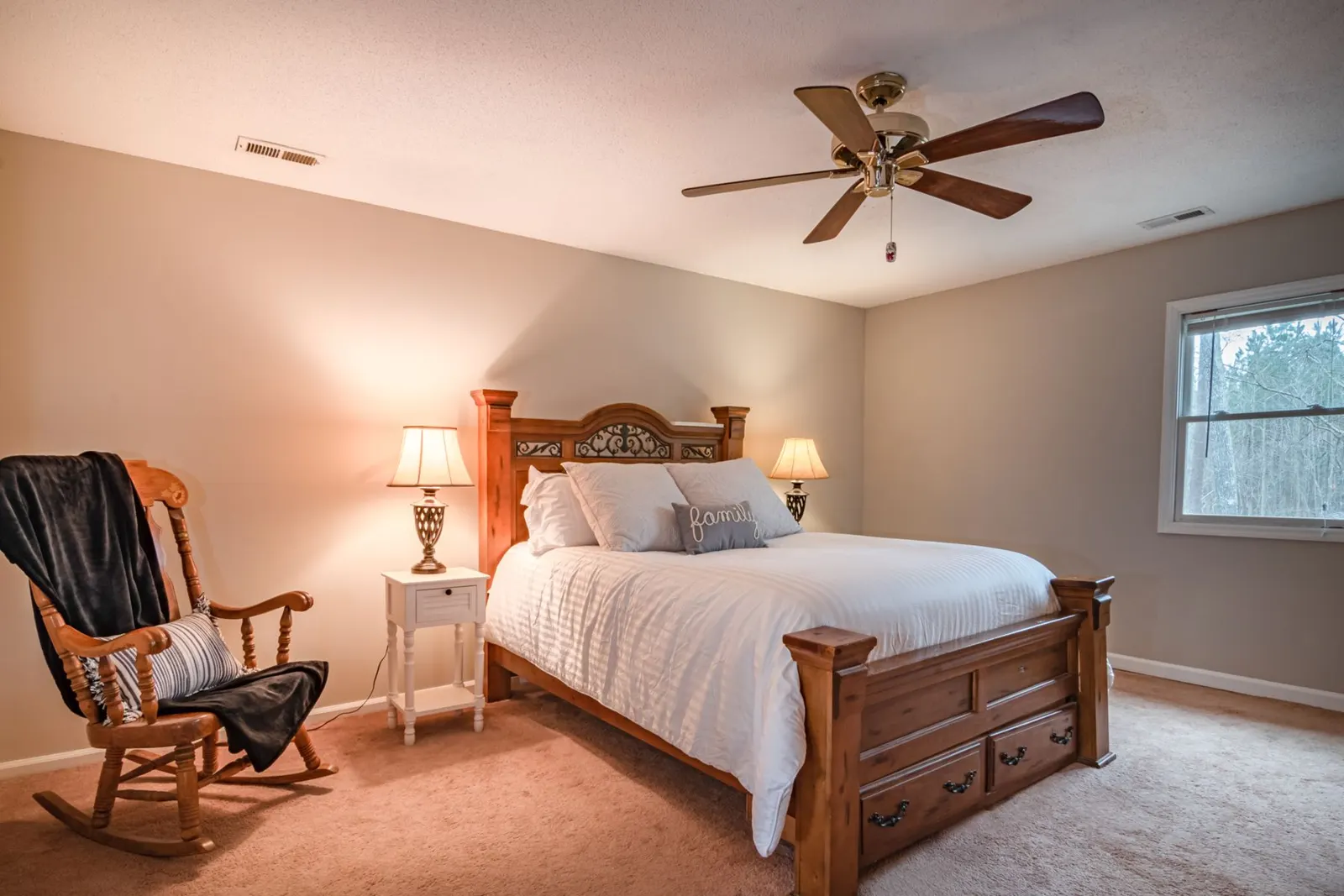
If you have ever lain awake on a sticky summer night, flipping the pillow to find the cool side, you already know temperature affects sleep. It is one of the most overlooked parts of a good sleep setup, and one of the easiest to improve.
This guide explains why temperature matters, gives a sensible starting point, and covers practical ways to cool a hot bedroom, warm a cold one and keep the peace when two people want different things.
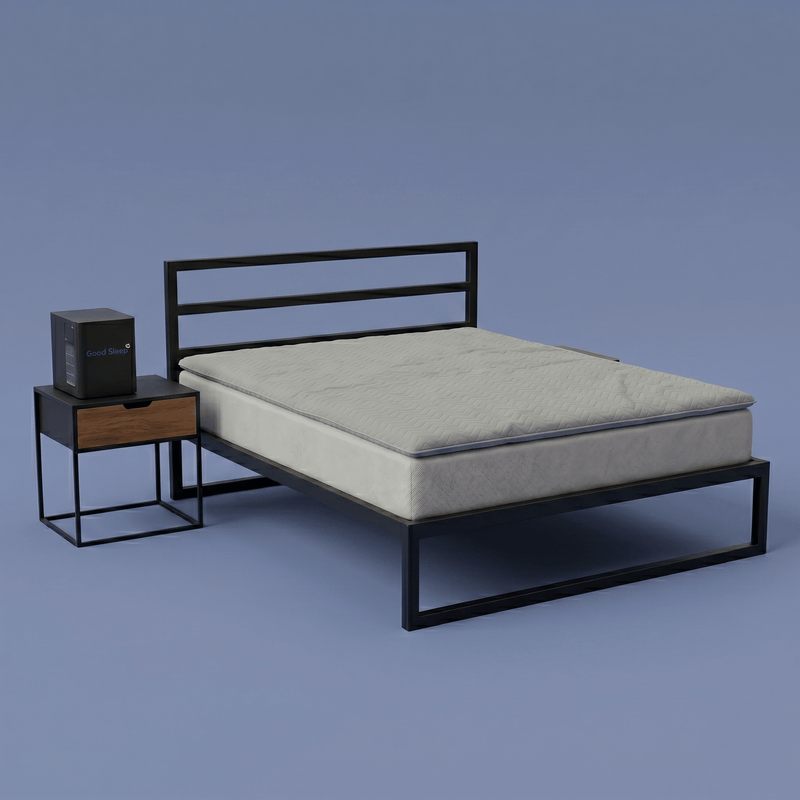
Good Sleep cooling and heating mattress topper
A water-based mattress topper that cools to 62°F and heats to 110°F and fits on top of the mattress you already have. Simple touch-panel control with no app, Wi-Fi or subscription. Dual zone on King.
Shop nowWhy temperature affects sleep
Your core body temperature follows a daily rhythm. It starts to fall in the evening, reaches its lowest point in the early hours of the morning, and rises again before you wake. This drop is part of how your body prepares for sleep.
To lose heat, your body sends more blood to your hands and feet, which is one reason warm hands and feet are associated with falling asleep more easily. If the room or the bed is too warm, it is harder to shed heat, and sleep can become lighter and more broken.
A room that is too cold can disturb sleep as well, especially if you wake up shivering or with cold feet. The goal is a comfortable, slightly cool environment, not an icebox.
A sensible starting temperature
There is no single perfect number that suits everyone. Many sleep organisations suggest a room in the mid-60s Fahrenheit, roughly 60 to 67 °F (around 15 to 19 °C), as a starting range. Treat that as a starting point and adjust based on:
- Your bedding. A heavy duvet in a cool room can feel the same as a light sheet in a warmer one.
- What you wear to bed. Lightweight, breathable sleepwear makes it easier to stay comfortable.
- Age and health. Some older adults and people with certain health conditions prefer a warmer room. Hormonal changes, such as menopause, can also make some people sleep hotter.
- Humidity. Humid air makes a room feel warmer and stuffier.
Try one setting for several nights, note how you sleep, then adjust by a degree or two.
How to cool down a hot bedroom
If your bedroom runs warm, try these steps, roughly from cheapest to most expensive:
- Block daytime heat. Close blinds or curtains on sunny windows during the day. Light-coloured or blackout curtains help.
- Ventilate in the evening. If the outside air is cooler at night, open windows on opposite sides of the home to create a cross-breeze.
- Use a fan. A ceiling or standing fan increases air movement over your skin, which feels cooler, and also adds a steady background sound.
- Switch to breathable bedding. Cotton, linen and other breathable fabrics tend to feel cooler than some synthetic materials. Use a lighter duvet in summer.
- Take a warm shower before bed. It sounds backwards, but warming up briefly can help your body shed heat afterwards as blood flows to your skin.
- Consider air conditioning or a portable unit if summer nights are regularly too hot to sleep.
How to warm up a cold bedroom
Being too cold is a problem too, especially in older homes or in winter.
- Layer your bedding so you can add or remove a layer without fully waking.
- Wear socks to bed if cold feet keep you awake. Warm feet can help you fall asleep.
- Use a hot water bottle or a heated blanket before bed, following the safety instructions, and consider switching it off once you are in bed.
- Seal draughts around windows and doors.
When two people want different temperatures
Temperature disagreements are one of the most common bedroom conflicts. One person sleeps hot and kicks off the covers; the other is cold and wants an extra blanket.
Some ways to compromise:
- Separate duvets. Common in parts of Europe, two single duvets on one bed let each person choose their own weight.
- Different sleepwear. The hot sleeper wears lighter, more breathable clothing; the cold sleeper adds layers.
- Targeted airflow. A fan pointed at one side of the bed.
- Dual-zone bed temperature. Some mattress toppers allow each side of the bed to be set differently. Good Sleep, the company behind this site, makes the Good Sleep cooling and heating mattress topper for exactly this situation. We make it, so weigh that accordingly, and try the free options first.
Temperature and the bed itself
The room temperature is only part of the story. The surface you lie on matters too. Some memory foam mattresses can feel warm because they mould closely to your body and reduce airflow, while other designs, such as those with springs or more open foams, may feel cooler. Pillows and mattress protectors can trap heat as well. Water-cooled toppers keep the sleep surface cool all night; if you want to try one, see how it works.
If you wake up hot even in a cool room, the bed may be the issue. A breathable mattress protector, cotton or linen sheets, a lighter pillow or a temperature-regulating topper can all help. See how to set up your bed for better sleep.
Temperature, alcohol and late meals
A few evening habits can make you feel warmer at night:
- Alcohol widens blood vessels near the skin and can leave you feeling hot and sweaty later in the night, as well as disturbing sleep in other ways.
- Large, heavy meals close to bedtime may make some people feel warmer and less comfortable.
- Vigorous exercise right before bed raises body temperature for a while. Some people sleep fine afterwards; others find it harder to settle.
Our guides on caffeine, alcohol and sleep and eating and drinking before bed cover these in more detail.
Quick reference
| Problem | Try first | Then consider |
|---|---|---|
| Room too hot | Blinds by day, fan at night, lighter bedding | Air conditioning, cooling topper |
| Room too cold | Extra layer, socks, seal draughts | Heated blanket used safely |
| Wake up sweaty | Breathable sheets and sleepwear, less alcohol | Check mattress and pillow materials |
| Partner disagreement | Separate duvets, different sleepwear | Dual-zone bed temperature |
| Humid nights | Fan, ventilation | Dehumidifier or air conditioning |
Common mistakes
Cranking the heat in winter. A toasty living room is pleasant, but the same temperature in a bedroom can leave you restless. Turning the heating down at night saves energy too.
Too many layers that can’t be adjusted. A heavy duvet you can only fully keep on or fully throw off makes it hard to fine-tune. Layers give you options.
Ignoring the mattress. If you have fixed the room and still wake hot, the bed surface is often the missing piece.
Blaming temperature for everything. Night sweats can have medical causes, including hormonal changes, infections and some medicines. If you regularly wake drenched in sweat, talk to a doctor.
A one-week temperature experiment
Rather than guessing, run a simple experiment.
Nights 1 to 3: Keep your usual setup and note each morning roughly how well you slept, whether you woke hot or cold, and how you feel on a scale of one to five.
Nights 4 to 7: Change one thing, such as lowering the thermostat by a couple of degrees, switching to lighter bedding or adding a fan. Keep everything else the same and keep taking notes.
Compare the two sets of notes. If the change helped, keep it and consider trying another. If it made things worse, go back and try a different change. Changing one thing at a time makes it much easier to see what actually works for you.
Key takeaways
- Your body temperature naturally drops as you fall asleep, so a cool room usually helps.
- Roughly 60 to 67 °F (15 to 19 °C) is a common starting range, but adjust for your bedding and preferences.
- Block daytime heat, ventilate at night and use breathable bedding before spending money.
- Couples can use separate duvets or dual-zone solutions to settle temperature disagreements.
Related guides
If you found this useful, these guides go deeper on closely related topics:
- Morning Light and Sleep: The Free Habit That Resets Your Body Clock: how daylight resets your body clock, even on busy or grey days.
- Exercise and Sleep: How Moving More Can Help You Rest Better: how regular movement supports better rest, and when to work out.
- The Smart Napping Guide: When Naps Help and When They Hurt: how long to nap, when, and when naps work against you.
- Eating and Drinking Before Bed: What Helps, What Hurts: meal timing, snacks and evening drinks.
Each one sticks to the same approach as this article: practical steps, plain language and no miracle cures. Pick the one that matches the part of your sleep you most want to improve, try one change at a time and give it a couple of weeks.
Frequently asked questions
What is the ideal room temperature for sleep?
There isn’t one number for everyone. A cool room, often suggested as roughly 60 to 67 °F (15 to 19 °C), is a common starting point. Adjust based on your bedding, sleepwear and how you feel.
Is it better to sleep cold or hot?
Slightly cool is generally better than warm for most people, because your body temperature naturally drops as you fall asleep. Being so cold that you shiver or wake up is not helpful either.
Does a fan help you sleep?
A fan can help by moving air over your skin, which feels cooler, and by providing steady background sound that masks other noises. Some people find the airflow dries their eyes or throat, so point it away from your face if that happens.
Why do I wake up hot at night?
Common reasons include a warm room, heavy bedding, a mattress that traps heat, alcohol, a late heavy meal and hormonal changes. If night sweats are frequent and soaking, see a doctor to rule out medical causes.
Can a mattress topper really change bed temperature?
Some toppers are designed to sleep cooler, using breathable materials, and some actively heat or cool the surface. They can help people whose main problem is the bed feeling too hot or too cold, but they are not a substitute for a reasonable room temperature or other good sleep habits.